Firm & Renew Ageing Skin in Melbourne
The Look of Ageing – and How We Treat It
Why Skin Changes with Time
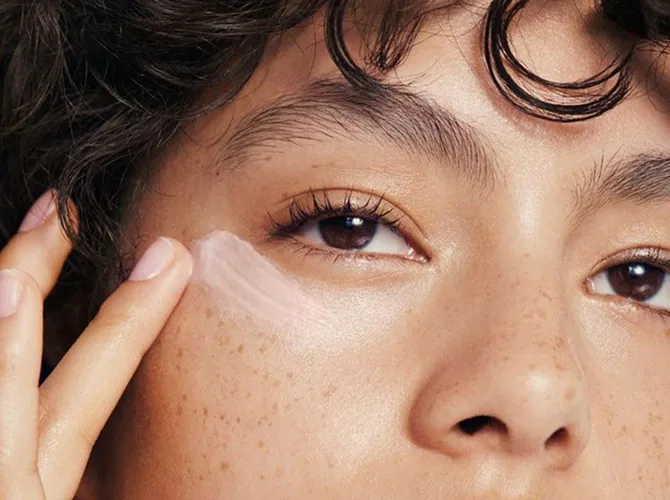
From your mid-thirties, collagen production begins to slow. Collagen is the protein responsible for skin’s structural support – its firmness, density and ability to bounce back.
As production decreases and existing collagen degrades, the skin loses the scaffolding that keeps it lifted and taut. Elastin, which gives skin its resilience, follows a similar path. UV exposure, lifestyle factors and hormonal changes accelerate this process, making prevention as important as treatment.
The Biology of Skin Ageing
How LED Light Therapy Supports Skin Longevity
Peer-reviewed studies show red light (~633nm) drives fibroblast proliferation and collagen synthesis, while near-infrared light (~850nm) promotes deeper cellular repair and reduces inflammatory ageing. Consistent sessions yield cumulative, measurable improvements in firmness, texture, and tone compared to single treatments.
LED and Collagen: The Evidence
Treatments We Recommend
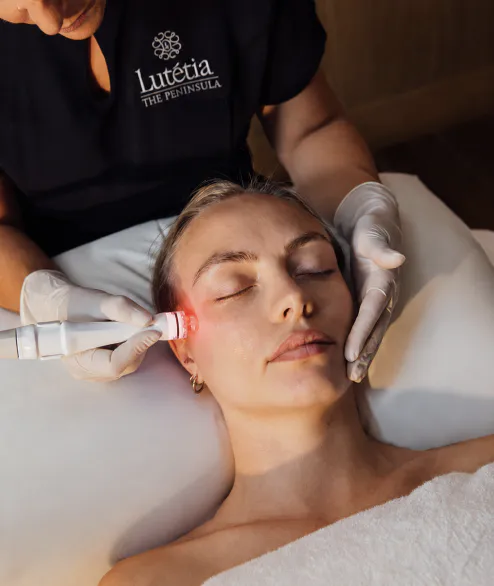
LED Non-Surgical Facelift
$99.99
Éramai's signature LED treatment for collagen stimulation, skin firming and surface renewal.
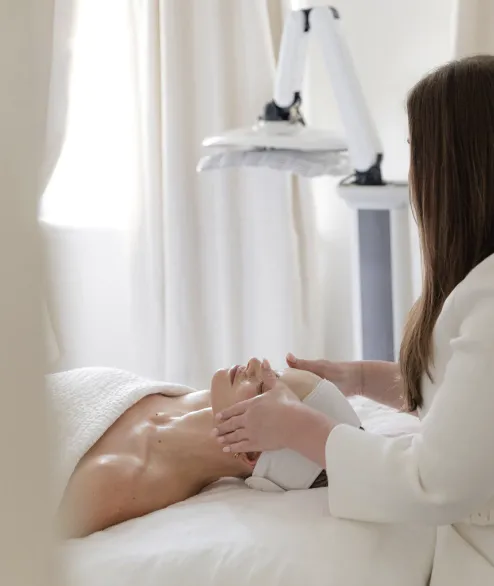
LED Non-Surgical Neck Lift
$99.99
Targets the neck and jaw, the areas most visibly affected by collagen loss.
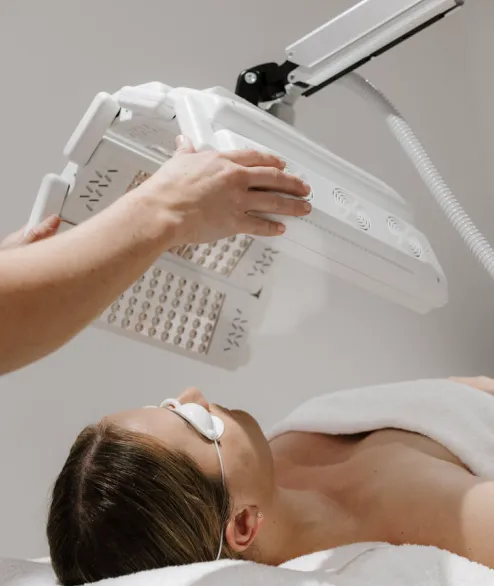
LED Lift & Glow Facelift
$179.99
Multi-spectrum 4-LED therapy covering face, eyes, neck and jowls. The most comprehensive ageing skin treatment in the Éramai portfolio.
Boosters to Support Firmer, More Youthful Skin

Eye Lift Booster
$69.99
Ceramide-infused and delivered via gold applicator, targeting fine lines and puffiness in the delicate eye area.
Collagen Glow Infusion
$79.99
A premium collagen formula that amplifies the firming and radiance effects of your LED session.
Jawline Sculpt Lift
$69.99
Advanced lifting technology applied to the jaw and lower face, supporting contour and definition.
Healing Recovery Mask ★ Best Seller
$59.99
Ceramide-rich and calming, this booster soothes the skin while supporting barrier resilience after treatment.
Heat Magnesium Mask
$79.99
Peptide-packed and lifting, this mask firms the skin and complements the collagen stimulation of your treatment.
Korean Salmon DNA Glass Skin Mask
$69.99
PDRN-powered skin renewal for a luminous, radiant finish – amplifying the glow delivered by your LED session.
At-Home Skincare – The Cupère Pro Ritual

ThermaLux Pro Lifting Mask
Softens visible signs of ageing, plumps dehydrated skin and restores lasting firmness while supporting healthy skin renewal
CellogenLux Pro Lifting Cream
Enhanced with Marine Collagen to support firmness and elasticity. Deeply moisturises, smooths and strengthens the skin barrier for a radiant, resilient complexion.
DermaLux Pro Lifting Serum
A lightweight yet potent age-defying formula designed to visibly restore firmness, hydration and clarity to mature or fatigued skin.
ContourLux Pro Eye Lift
High-performance formulation designed to visibly firm, tighten and sculpt the delicate eye area – with results that begin to appear almost immediately.
Hear What Our
Customers Have to Say
Book Your Treatment

Frequently Asked Questions
Can I do this alongside injectables?
How often is best for ageing skin?
How does LED compare to HIFU or thread lifts?
Is LED an alternative to Botox?
At what age should I start LED treatments?